
You’ve narrowed your options down to two window styles, and now comes the harder part: deciding which one is the better fit. When comparing casement vs. double hung windows, the differences go beyond appearance. Everything from ventilation and maintenance to where the window will be installed can influence which style you’ll be happiest with for years to come.
At NEXT Door & Window, we’ve installed both casement and double hung windows in homes across Illinois and Wisconsin, and one thing has become clear: there’s no universal “best” choice. A window that’s perfect above a bedroom reading nook might be frustrating over a kitchen sink, while the right fit for a two-story colonial could be different from what’s best for a ranch home.
In this guide, we’ll compare casement vs. double hung windows, break down the biggest differences, and share our professional insights to help you find the window type that best fits your home.
What Are Casement and Double Hung Windows?
Before comparing casement windows vs. double hung, it helps to understand how each one works. Both are popular replacement window styles, but the way they open affects everything from ventilation and energy efficiency to cleaning and where they work best in your home.
How a Double Hung Window Works
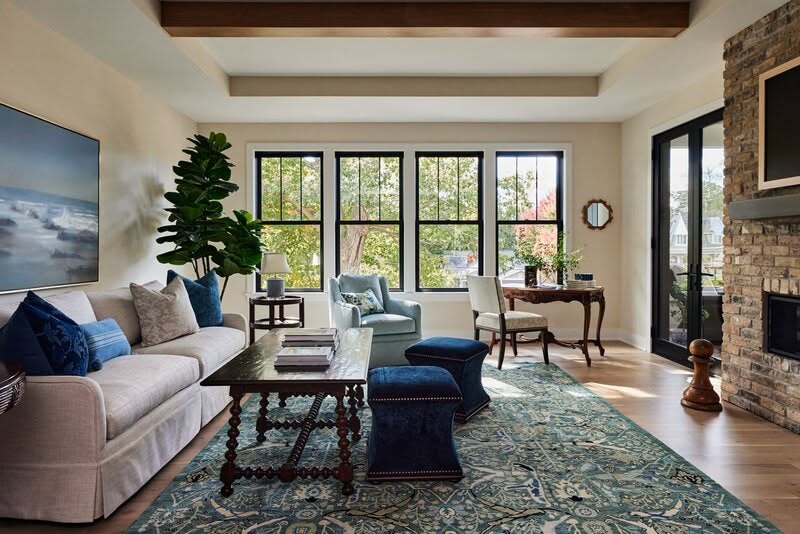
A double hung window has two sashes that slide up and down, so you can open the top, the bottom, or both. Their flexible design makes it easy to control airflow throughout your home.
Most modern models also have tilt-in sashes, allowing you to clean the exterior glass from inside. It’s one of the reasons double hung replacement windows continue to be a top pick, especially for second-story windows. The sashes slide within tracks, using weatherstripping and compression seals to help keep outside air where it belongs.
How a Casement Window Works
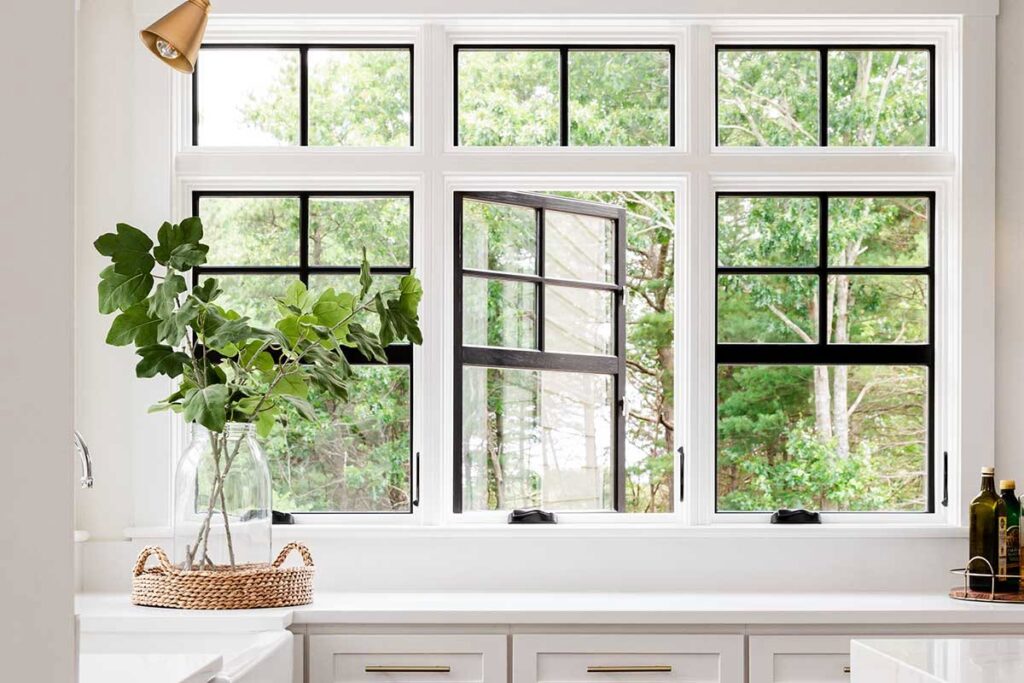
A casement window is hinged on one side and opens outward with a hand crank. When you close it, the sash presses tightly against the frame to create a secure seal, which helps reduce air leaks.
Because the entire window opens, casement windows let in ample fresh air. However, they need room to swing outward, so they’re not always the best fit near walkways, deck railings, or other busy pathways.
Key Differences Between Casement and Double Hung Windows
While both are excellent replacement window styles, each shines in different situations depending on your home’s layout, your priorities, and how you use the space.
- Ventilation and Airflow: Casement windows open nearly the entire window area to maximize fresh air, while double hung windows provide flexible ventilation by allowing you to open the top sash, bottom sash, or both.
- Energy Efficiency: Casement windows typically create a tighter seal when closed, while modern double-hung windows use advanced weatherstripping and quality construction to deliver excellent energy performance of their own.
- Security and Operation: Casement windows use multi-point locking hardware for a secure seal, while double-hung windows offer simple operation and can be a more practical choice above kitchen sinks, counters, and other areas with limited reach.
- Aesthetics and Home Style: Casement windows complement Craftsman style and contemporary homes with their clean, unobstructed views, while double-hung windows offer a timeless look that works well with everything from Colonials to farmhouses.
Energy Efficiency and Ventilation — A Closer Look
If you’re upgrading from aged, drafty windows, casement and double-hung windows can make your home more comfortable and energy efficient. The quality of the window, the glass package, and proper installation all have a significant impact on long-term performance.
ENERGY STAR Ratings and What They Mean for Illinois and Wisconsin Homeowners
No matter which style you prefer, make sure you’re comparing windows that are ENERGY STAR certified for the Northern climate zone. Both casement and double hung windows can qualify when built with the right glass package and frame construction.
As you compare quotes, you’ll probably see the term U-factor come up. U-factor measures how well a window keeps heat inside your home. The lower the number, the better. Every ENERGY STAR certified window also includes an NFRC window energy label, making it easy to compare performance ratings between different products.
If you’re comparing products from different manufacturers, take some time to compare the best replacement window brands, then use the ENERGY STAR Product Finder to confirm which models are certified for the Northern climate zone before making your decision.
When the Efficiency Difference Actually Matters
If your current windows feel drafty every winter, a casement window’s tighter seal may be worth the extra investment, especially if your home is exposed to strong winds. That’s because the sash presses firmly against the frame when it’s closed, helping reduce air infiltration.
The gap isn’t as dramatic as it used to be. Modern double hung windows have come a long way, and when they’re built well and installed properly, both styles can deliver excellent energy performance. Instead of focusing on the operating style alone, compare the complete window package, including the frame, glass, energy ratings, and installation quality.
Cost and Maintenance Compared
Cost is often one of the biggest deciding factors when choosing between casement and double hung windows. While casement windows typically cost a little more upfront, the difference isn’t always as significant as homeowners expect. The size of the replacement window, frame material, glass package, and installation method can all have a bigger impact on the final price than the operating style alone.
Typical Cost Ranges (Installed, 2026)
If budget is one of your biggest deciding factors, double hung windows are usually the more affordable option. Their simpler design and widespread availability usually make them less expensive to manufacture and install.
Casement windows tend to cost more because of their crank mechanism, hinges, and locking hardware. In many cases, homeowners can expect to pay about $50 to $200 more per window than a comparable double-hung model, though the exact difference depends on factors like the manufacturer and materials.
One thing that’s easy to overlook is that pricing should be compared by the entire window opening, not just the individual window. In some larger openings, one casement window can actually make more sense than installing multiple smaller double-hung windows, which can help narrow the price difference.
Maintenance Differences Over Time
Both casement and double-hung windows are built to provide years of reliable performance when they’re properly installed and maintained. The biggest differences come down to cleaning and the hardware each style uses.
- Double Hung Windows: Most modern models have tilt-in sashes, making it easy to clean both sides of the glass from inside your home. Over time, sash balances or locks may need occasional adjustment or replacement.
- Casement Windows: Crank handles and hinges make these windows easy to operate, but those moving parts may eventually need lubrication or replacement after years of regular use.
- Long-Term Durability: No matter which style you choose, the quality of the window and the installation will have a much bigger impact on long-term performance than the operating style itself.
Which Window Is Right for Your Home?
By now, you’ve probably noticed that there isn’t a one-size-fits-all answer. When comparing casement windows vs double hung, the better choice comes down to your home’s layout, your priorities, and how you plan to use the space. It’s also worth thinking beyond the window style itself. Features like windows with built-in blinds can improve everyday convenience and privacy while eliminating the need for traditional blinds or shades.
Choose Casement Windows If…
- You want the most ventilation possible.
- Energy efficiency is one of your top priorities.
- Your home has a modern, craftsman, cottage, or Tudor style.
- Your windows have plenty of room to swing outward.
Choose Double Hung Windows If…
- You want a window style that works with almost any home.
- Easy cleaning is important to you.
- Your windows are above a sink, walkway, deck, or patio.
- You’re looking for a more budget-friendly option.
Room-by-Room Recommendation Guide
While every home is different, these recommendations can help point you in the right direction.
| Room | Recommended Style | Why |
|---|---|---|
| Living Room | Double Hung | A timeless look that complements nearly any home style. |
| Kitchen (Above Sink) | Double Hung | Opens vertically, making it easier to use over a countertop or sink. |
| Bedroom | Casement | Opens fully to maximize fresh air and ventilation. |
| Bathroom | Casement | Excellent airflow helps remove humidity more efficiently. |
| Home Office | Either | Choose double-hung for a classic look or casement for increased ventilation. |
Choosing between casement and double-hung windows comes down to what works best for your home. The right choice may even vary from room to room. While a double-hung window might make the most sense in your living room, the best windows for your bedroom may prioritize ventilation, natural light, or privacy instead.
If you’re still weighing your options, the experts at NEXT Door & Window are here to help. From your home’s layout to the way you use each room, we’ll help you compare your options and find the best fit for your home.
Frequently Asked Questions
Are casement windows more energy efficient than double hung windows?
Generally, yes. Casement windows create a tighter seal when they’re closed, which can help reduce drafts. However, modern double hung windows also offer excellent energy efficiency when they’re built well and professionally installed.
Are casement windows more expensive than double hung windows?
In most cases, yes. Casement windows typically cost a little more because of their hinges, crank mechanism, and locking hardware. The difference is often around $50 to $200 per window, though the final cost depends on the size, materials, manufacturer, and installation requirements.
Can I use casement and double hung windows in the same house?
Absolutely. It’s common to mix window styles throughout a home. For example, you might choose double hung windows for the front of your home to maintain a traditional appearance, while using casement windows in bedrooms or bathrooms where extra ventilation is a priority.
Which window is easier to clean?
Double hung windows are usually the easier option, especially on upper floors. Most modern models have tilt-in sashes that let you clean both sides of the glass from inside your home. Casement windows are still easy to maintain, but cleaning the exterior glass may require going outside.
Which window is better for emergency escape (egress)?
Both casement and double hung windows can meet egress requirements when they’re properly sized. Make sure the opening meets local building code requirements for emergency escape.
