
There are a lot of window options available in the market today and that gives you a lot of choices to consider when looking to upgrade your old single-pane windows. However, the sheer number of options available can overwhelm anyone. Especially when you don’t know what you’re looking at. To help simplify the selection process for you, we believe a better understanding of your options is crucial. To help you get started, we have compiled a list of the benefits of single-pane vs double-pane windows.
Single-Pane or Double-Pane Windows?
What is a Single-Pane Window?
Single-pane windows are windows made with a single layer of glass. They’re available in all of the same styles and materials as double-pane windows. However, single-pane glass windows have poor insulation properties, making them more susceptible to outside noise and temperature changes. If you live in a quiet neighborhood and your seasonal temperatures are mild and consistent, single-pane windows might suffice. Though the costs of heating or cooling down your home are directly related to the type of window you choose.
What i a Double-Pane Window?
Simply put, double-pane or multi-pane windows are windows with multiple panes of glass. Standard single-pane windows only feature a single layer of glass. This type of window is usually found in old houses. Now that advancements are in place, the latest windows for sale on the market have been upgraded and are equipped with two or more layers of glass to improve the insulation of your home.
How to Determine if Your Window is Single or Double Paned
If you’re planning to replace your windows and need to identify whether you currently have single or double-paned windows, don’t worry—it’s quite simple. First of all, if your windows were installed before 1980, they are almost certainly single paned windows.
If you are unsure when your windows were installed, examine the edge of your window where the glass meets the window sash. For double-paned windows, you’ll see a metal spacer at the edge between the panes. Single-paned windows won’t have this metal divider.
Are Double-Pane Windows More Energy Efficient?
When it comes to saving energy, money, and keeping your home well insulated, double-pane windows are much more effective than single-pane windows. Double-pane windows provide much greater energy efficiency and insulating properties allowing for lower energy bills. These windows essentially could pay for themselves over time. Additionally, double-pane windows can help reduce noise from the outdoors, making it very beneficial if you are living in a noisy or busy environment.
What are the Differences Between Single-Pane and Double-Pane Windows
The primary difference you will observe when switching from single-pane to double-pane windows will be an improvement in your home’s insulation. Windows naturally let in the heat alongside sunlight but a poorly insulated home will let heat out as well, creating a perpetual imbalance in an indoor environment. If you are comparing the differences between single pane vs double pane windows, you will discover that multi-pane windows are better at insulating homes compared to their single-pane counterparts because of how they are manufactured.
Double-pane windows are fitted with panes of glass with insulating gas in between them to stunt heat transfer to ensure outdoor heat stays out and indoor air stays in. Since double-pane windows use a more elaborate design, they will undoubtedly be more expensive than single-pane options available today. However, you’ll be able to recoup back the money you paid upfront through low energy bills. Thanks to improved insulation, your home will become more energy-efficient, and the savings will add up in the long run.
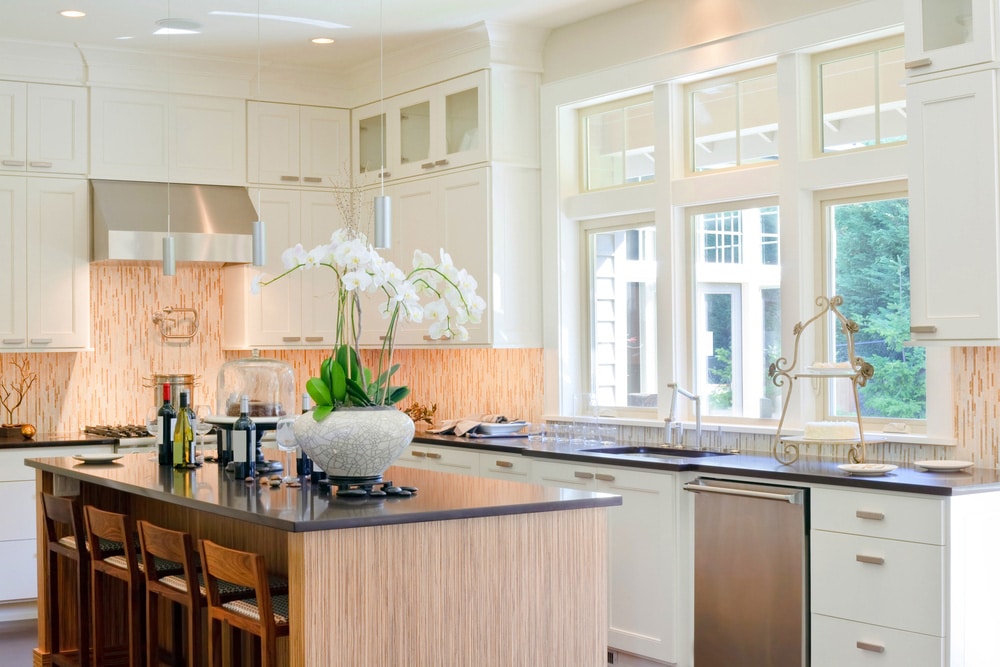
Tips & Insights: Top 5 Kitchen Window Ideas For Your Living Space
FAQs about Single-Pane vs Double-Pane Windows
Can Single Pane Windows be Replaced with Double Pane Windows?
Yes, you can replace single pane windows with double pane windows. The cost will vary based on the number and size of the windows. At NEXT Door & Window, we assist homeowners with window replacements year-round and would be happy to provide you with a free estimate.
Should You Replace Single Pane Windows with Double Pane Windows?
Absolutely. While double-pane windows have a higher initial cost, they can save you money on your monthly energy bills. Sticking with single-pane windows might seem cost-effective initially, but you’ll likely spend much more on your energy bills over time. Additionally, double-pane windows offer improved temperature regulation and better noise insulation for your home
Do Double-Pane Windows Show Condensation?
Normal functioning double-pane windows won’t show any condensation in normal conditions. They provide clear visibility, similar to single-pane windows, while offering the benefits of added insulation. Some condensation will occur if there is too much humidity such as right after a shower. Here is a window condensation article to trouble shoot if it’s a problem or something you can fix at home. If you’ve noticed condensation between the panes of double-pane windows, it’s a sign that they need repair or replacement.
Available Options for Double-Pane Windows
Multi-pane windows come in either double or triple-pane options. As their names suggest, double-pane windows have two panes of glass while triple-pane windows have three. Both will have insulating gas in between their panes. Want to know more about multi-pane windows? Give our team a call by phone at (630) 280-2748 to become familiar with the advantages of investing in a window replacement or installation. We offer window and door installation services in areas of Illinois such as Aurora, Naperville, Downers Grove, and Burr Ridge. Our staff offers doors and windows from Sunrise, Marvin Signature, Marvin Elevate and Infinity by Marvin.
