
There isn’t a universal age for when to replace windows. Fogging between panes, recurring drafts, rot, warping, and windows that no longer operate properly can all point to declining performance. Given the energy spent on heat gain and loss from faulty windows, knowing when to replace them provides substantial value.
At NEXT Door & Window, we’ve been helping Chicagoland homeowners get the most out of their windows since 2002. Below, we break down the 8 common signs that tell you when it is time to replace the windows in your home.
Clear Signs It’s Time to Replace Your Windows
Your windows will leave clues you can see, feel, and hear when something isn’t working properly.
- Condensation or Fogging Between Panes: Wipe the glass and see if the haze disappears. If it doesn’t, the fog may be trapped between the panes, which usually means the seal around the insulated glass unit (IGU) has failed. This loss of insulating performance is one of the key differences you’ll notice when comparing single-pane vs. double-pane windows. If the frame itself is still in good shape, replacing only the IGU may be an efficient option.
- Drafts Around the Frame: You shouldn’t have to wonder if a closed window is actually closed. If you feel air around the sash or frame on a windy day, worn weatherstripping could be the culprit and may be an easy fix. A warped or damaged frame that can no longer seal tightly is a bigger sign it’s time to replace it.
- Windows That Stick, Won’t Open, or Won’t Lock: One stubborn window might just need new hardware or an adjustment. But when this happens to several windows at once, the frames themselves may be wearing out. Pay extra attention to bedroom windows, since people may have to use them as emergency escape openings.
- Visible Rot, Cracks, or Warping: Give the frames a good once-over. Soft spots in wood, cracking in vinyl, or a frame that’s visibly changing shape are harder to brush off as normal wear. If you gently press a suspicious area of wood with a screwdriver and it gives easily, rot may have worked its way below the surface.
- Rising Heating or Cooling Bills: If your utility costs are climbing and you’re also noticing drafts, fogging, or older single-pane glass, it may be time to consider window replacement. ENERGY STAR says replacing old single-pane windows with certified windows can lower household energy bills by an average of up to 13% nationwide.
- More Outside Noise: Has the street gotten louder, or are your windows letting in more noise? Older windows and deteriorating seals can make outside noise more noticeable indoors. Noise alone isn’t a reason to start replacing windows. But add drafts or fogging to the mix, and there may a replacement-worthy issue with your windows.
- Cold Frames in Winter: Chicagoland winters quickly expose a window’s weak spots. A little coolness near the glass is normal, but cold frames or interior frost indicate air leakage or poor insulation. It’s especially telling when an older window is already giving you trouble elsewhere.
- Windows Over 20 Years Old: If your windows are over 20 years old and you’re experiencing one or more of the issues above, it may be time to replace them. A window’s lifespan ultimately depends on its material, the local climate, and how well it’s been maintained over the years.

How Window Age and Material Affect Replacement Timing
So, how often should windows be replaced? No single schedule works for every home. It ultimately depends on material selection, installation quality, upkeep, and weather exposure.
Vinyl Windows — When to Replace Them
Vinyl windows typically last 15 to 30 years, but Midwest temperature swings can shorten this average. Vinyl expands and contracts as temperatures change and may eventually warp, crack, or become brittle.
If you’re wondering when to replace your vinyl windows, pay attention to how the frame itself holds up. Once years of expansion and contraction have left it brittle or noticeably warped, age carries much more weight in the replacement decision.
Wood Windows — When to Replace Them
Wood can last for decades with proper maintenance. But once moisture gets through the finish and into the wood itself, rot can take hold around the sill and frame. That’s much harder to undo than a little peeling paint. Older homes also have architectural considerations, so replacing windows for historic homes may depend on preserving a certain look or meeting local requirements.
Fiberglass Windows — When to Replace Them
Fiberglass windows can last 30 to 50 years. They handle expansion and contraction particularly well, which is a big plus through Midwest summers and winters. Because the frame can outlast other parts of the window, a failed glass seal doesn’t automatically mean the fiberglass frame is finished.
If seal problems keep returning or the window no longer performs properly, it may be time to consider fiberglass window replacement.
Repair vs. Replace — How to Tell the Difference
Not every troublesome window needs to come out. When you’re deciding when you need to replace windows, the frame’s condition and how often you’re dealing with problems usually tell you more than one broken part.
When a Repair Is the Right Call
If the window itself is still in good shape, a repair may be all you need. A newer window with a fogged IGU is a good example. Talk with your window professional about whether they can replace the glass unit while keeping the existing frame and what warranty comes with the repair.
When Replacement Is the Only Logical Choice
Sometimes your windows are beyond repair. Once the frames are rotting, cracked, or too warped to work properly, a new seal won’t fix what’s happening underneath. And if an older window keeps giving you trouble after previous fixes, it gets harder to justify spending more money on it.
Tip: Compare your next repair quote with our guide on window replacement cost to help put the decision in perspective.
When Is the Best Time of Year to Replace Windows
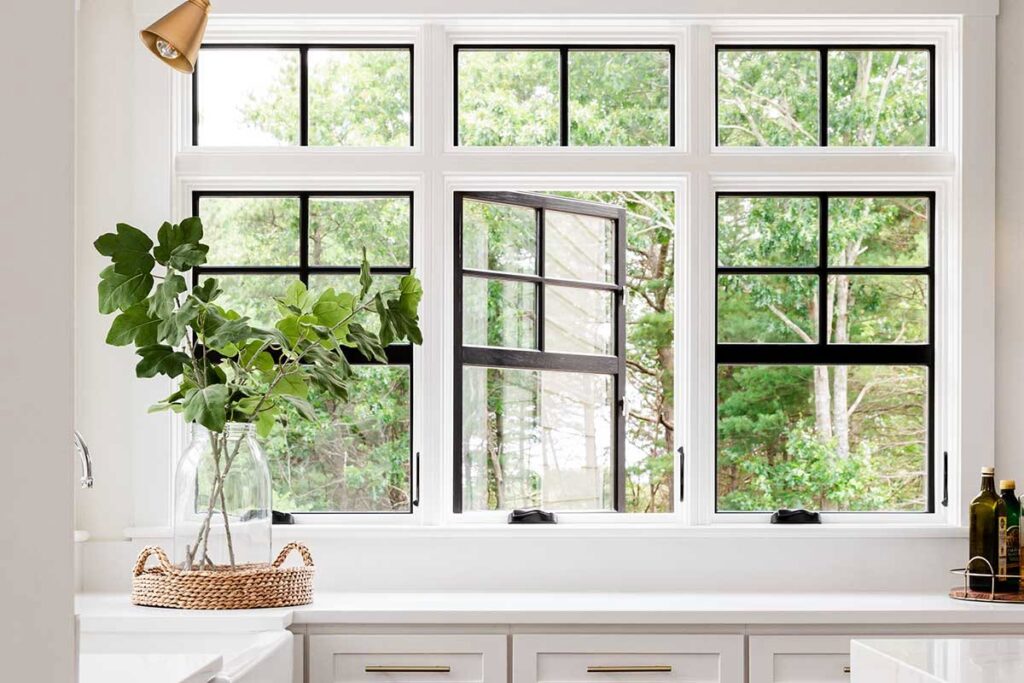
If you’ve been asking yourself, “When is the best time to replace windows?” the good news is that window replacement projects can happen throughout most of the year in the Midwest. Your current windows’ condition should determine how long you wait.
- Late Spring and Early Fall: Mild Chicagoland weather makes these months comfortable for installation, without summer heat or winter cold affecting the project.
- Summer Installation: Summer is suitable for window replacement, but installers will need to account for the heat and how materials respond to it. Vinyl, for example, expands with higher temperatures.
- Winter Installation: Cold weather doesn’t automatically put the project on hold. NEXT Door & Window installs windows during Midwest winters when conditions are safe, taking steps to limit how much cold air gets inside.
If you’re still unsure when to replace windows, you don’t have to keep guessing or wait for the perfect season to find out.
The Design & Energy Experts at NEXT Door & Window can take a closer look and help you understand whether there’s still a good fix or it’s time for a replacement.
Schedule a free estimate now.
Frequently Asked Questions
How long do windows typically last before needing replacement?
It depends on what they’re made from. Vinyl often lasts a couple of decades, while fiberglass can last much longer. Good installation and maintenance can stretch that life, too, so treat those ranges as a guide rather than a replacement deadline.
Can I replace just one window, or do I need to replace them all at once?
Absolutely, you can replace just one. However, if several same-age windows are starting to act up, replacing them all at once may be a better value.
Does replacing windows actually lower energy bills?
Yes, especially when you’re replacing older single-pane windows or units that are leaking air. Your home, current windows, and energy use all affect savings.
What is the fogging between my window panes, and does it mean I need new windows?
Stubborn fog means the seal between the panes has failed. Don’t start picking out new windows just yet, though. If the frame is still healthy, replacing the glass unit may be enough.
Is winter a bad time to replace windows?
Not necessarily. You can replace windows in winter when conditions are safe, and the installation is properly performed by professionals who know how to manage outside airflow.
