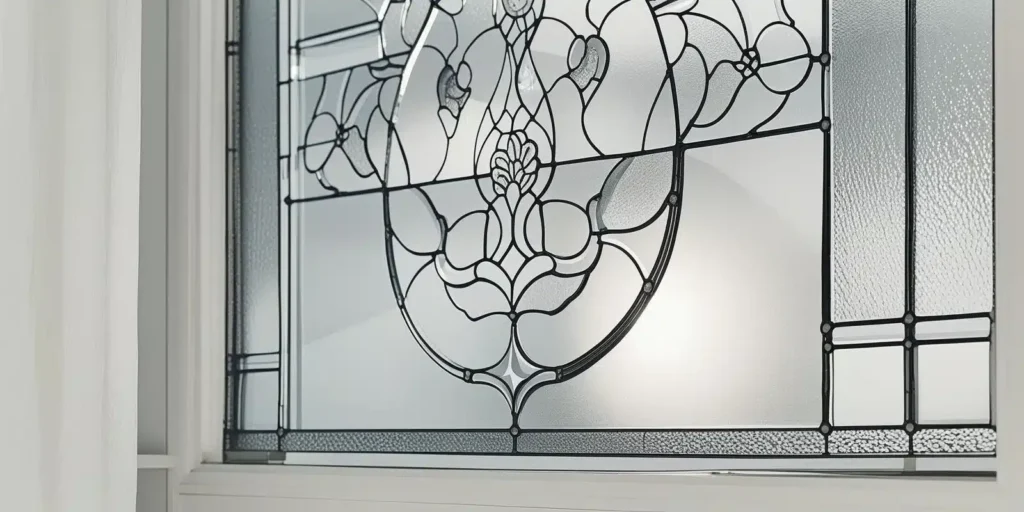
For homeowners looking for that one-of-a-kind look for their windows, decorative glass is the ideal selection. This glass is specially designed with a choice of designs and patterns, providing obstructed views.
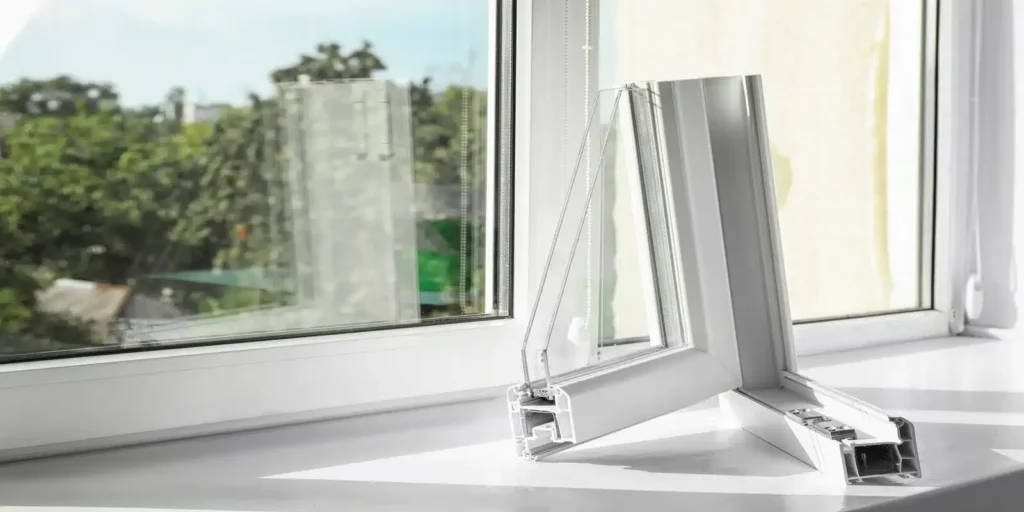
Insulated glass utilizes two to three separate panes that are divided by a spacer bar. Between these spaces, an inert gas like argon is used for enhanced insulation, improving overall home comfort and energy savings.
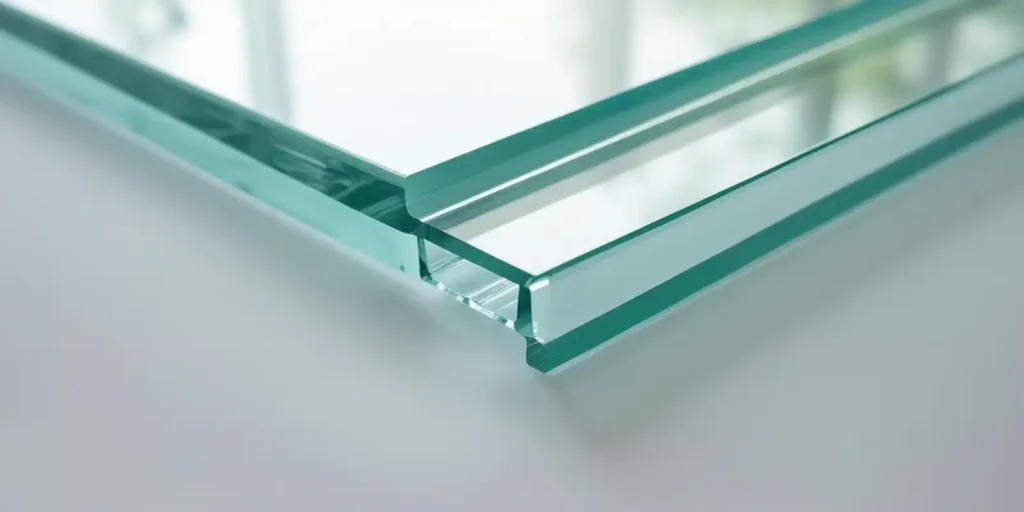
These glass types undergo a heating or chemical tempering process to enhance their overall durability and resistance. When broken, tempered glass breaks into larger, dull pieces, rather than shattering into tiny fragments like other types, making it ideal for safety and security.
A type of decorative glass that uses a thin, slightly colored layer between its glass panes. The colored layer blocks out harmful UV rays while reducing heat gain in your home, improving overall energy efficiency, and lowering costs. We can refer you to a local company that specializes in tinted glass.
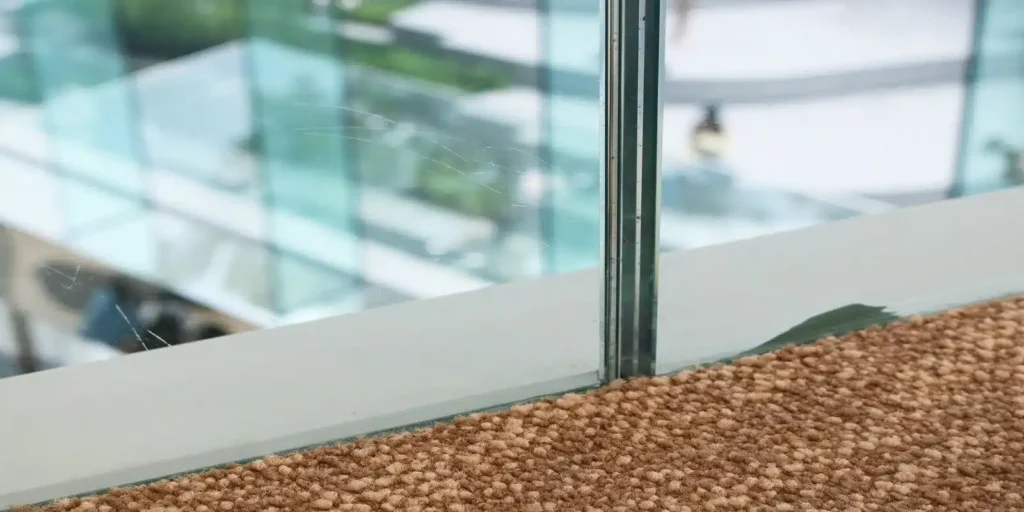
This glass type is made with multiple layers of glass bonded together, along with a clear underlayer. Once bonded, the underlayer will hold the glass in place, so if impacted, the broken pieces are held together. This reduces the risk of injury compared to typical glass types, which shatter and scatter upon breaking.
Double-glazed, also known as double-pane, windows are designed with two sheets of glass separated by an insulated air space. The space in between is filled with an inert gas, which increases the overall energy efficiency while also reducing noise and condensation.
Outdoor-Indoor Transmission Class (OITC) and Sound Transmission Class (STC) are specifically designed glass types that are designed for noise reduction. The design utilizes thicker glass panes to minimize the transmission of outdoor noise into the interior.
Also known as standard glass. These are the most common types of glass that undergo a slower cooling process after being made. The controlled cooling allows for the material to become more resistant to breaking.
When shopping around for new replacement glass windows, you may have come across the term Low-E glass. The E stands for emissivity, which indicates a material’s ability to radiate energy. This glass is made using a nearly invisible, thin metallic coating that helps control heat transfer.
This technology not only blocks out incoming heat from the sun’s UV rays during the summer but also redirects heat back into your home during the winter months. This means better thermal insulation, enhanced indoor comfort, and can even reduce your heating and cooling bills.
Below are the available levels of Low-E glass options at NEXT Door & Window:
Best suited for colder climates, Low-E1 glass facilitates more effortless heat transfer into rooms. At the same time, the glass will also block heat loss, allowing any room to retain a consistent warm temperature.
The Low-E glass provides exceptional performance for moderate climates. Low-E2 counters direct summer heat, blocking 84% of UV rays, reducing heat transfer into the home. When temperatures start to drop outside, the glass retains heat indoors, keeping your home warm and cozy.
For homeowners in the hot and sunny climates, Low-E3 is the glass for you. This glass contains glazing that rejects solar heat and even blocks up to 95% of the sun’s UV rays. But don’t worry—the glass allows natural light to come through and brighten up your space.
Designed for use in any climate or conditions. The glass is equipped with an additional roomside metallic coating, reducing heat loss, providing maximum energy efficiency, and improving overall comfort year-round.
For most homes, double-pane glass with a Low-E coating is considered the best glass option for replacement windows due to its energy-efficiency benefits. That said, certain situations may require specialized glass such as tempered glass for safety or laminated glass for better noise reduction.
Replacement windows typically cost an average of $200 to $2000 per window. The exact cost will depend on various factors, including the type of glass, the window frame, and labor costs.
Replacement windows are brand-new windows designed specifically to fit into a pre-existing opening in a home. They serve as a full upgrade to your current windows, enhancing energy efficiency and comfort, all while providing a fresh, clean look.
On average, windows typically last between 15 and 20 years. As windows age, the built-in seal will begin to weaken, increasing the risk of failure and allowing elements such as wind and water to enter.
718 East Rand Road Arlington Heights, IL 60004 224-257-3057
By Appointment Only
5321 Voges Road Madison, WI 53718 608-602-7542