
Choosing between fiberglass vs vinyl windows?
Vinyl wins on upfront price. But fiberglass tends to last longer and handles temperature swings better. If you live in a place with bitterly cold winters and hot summers, those differences will affect your decision.
This guide breaks down vinyl vs fiberglass windows. We’ll look at cost, energy efficiency, durability, maintenance, and how each option performs in colder Midwest conditions so you can make the ideal choice for your home.
The main difference between fiberglass and vinyl windows is that fiberglass frames are made from glass fibers bound in resin, giving them greater strength, thermal stability, and a 30–50 year lifespan, while vinyl frames are made from PVC and cost 10–30% less but typically last 15–30 years.
At-a-Glance: Fiberglass vs Vinyl Windows Comparison
Here’s a side-by-side comparison before we dive into the details:
| Factor | Vinyl | Fiberglass |
|---|---|---|
| Cost Per Window (Installed) | $1,500–$3,000 | $2,200–$4,000 |
| Lifespan | 15–30 years | 30–50 years |
| Avg. U-Factor | ~0.30 | ~0.20 |
| Paintable | No | Yes |
| Expansion/Contraction | Higher | Minimal |
| Resale ROI | ~60–70% | ~60–70% |
What Are Fiberglass Windows?
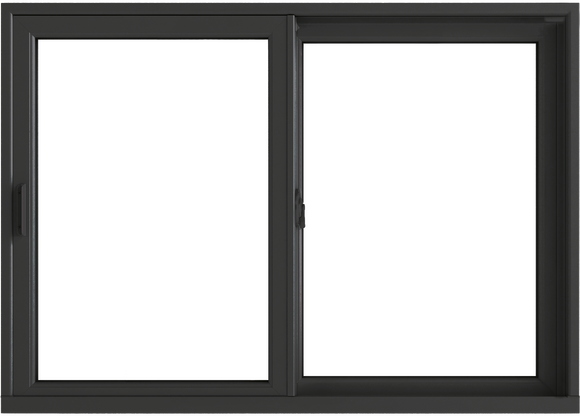
Fiberglass windows are built from strands of glass fiber bonded with resin, creating a frame that is both strong and dimensionally stable. Many are also filled with insulating foam, which helps improve thermal performance.
Fiberglass does not flex much, even with major temperature changes. That stability allows for:
- Slimmer frame profiles that let in more natural light
- Stronger structural integrity for larger window openings
- Consistent seals over time with less stress on the glass
Another advantage is flexibility in design. Fiberglass frames can be painted, making them a better fit for homeowners who care about both performance and appearance.
If you’re thinking about long-term upgrades, fiberglass offers significant energy efficiency and performance advantages over vinyl.
What Are Vinyl Windows?
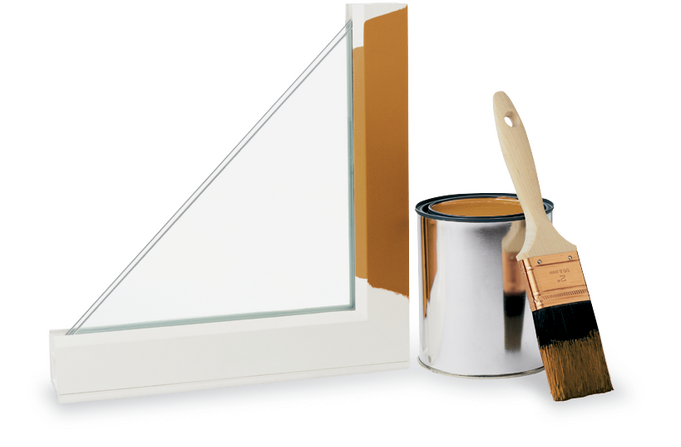
Vinyl windows are made from PVC, a durable plastic that is extruded into frames and welded at the corners. This process keeps manufacturing costs lower, which is a big reason vinyl dominates the replacement market.
For homeowners on a budget, vinyl:
- Affordable upfront cost compared to other materials
- Low maintenance with no painting or staining required
- Reliable energy performance when paired with quality glass packages
That said, vinyl does come with a few trade-offs:
- It expands and contracts more with temperature changes, which can put added stress on seals over time.
- Color options are also more limited since the finish is baked in during manufacturing.
Fiberglass vs Vinyl Windows: Cost
Vinyl is typically cheaper upfront, but fiberglass replacement windows offer great value over time.
Upfront Cost Ranges
- Vinyl Windows: Typically $1,500–$3,000 per window installed
- Fiberglass Windows: Typically $2,200–$4,000 per window installed
In most cases, fiberglass runs about 10–30% higher depending on the brand, size, and configuration.
Installation Differences
Material also plays a role in installation. Vinyl’s flexibility makes it easier to work with, while fiberglass is more rigid and requires a more precise fit. That added precision can slightly increase labor costs, but it also supports a stronger long-term seal when installed correctly.
25-Year Cost Perspective
Vinyl windows generally last 15–30 years, while fiberglass windows often last 30–50 years or more. Over time, one fiberglass installation may outlast two vinyl replacement cycles.
That said, vinyl often makes more sense for shorter timelines, while fiberglass tends to pay off over the long run.
Read More: How Much Does Window Replacement Cost?
Energy Efficiency Compared
Energy efficiency is quantified by the u-factor, with a lower u-factor score indicating better insulation.
U-Factor Differences: Fiberglass vs Vinyl Windows
- Fiberglass: Around 0.20
- Vinyl: Around 0.30
Low-E coatings, gas fills like argon, and spacer systems all shape how a window actually performs. A well-built vinyl window with a strong glass package can outperform a lower-tier fiberglass unit, which is why the focus tends to shift toward complete energy-efficient windows rather than frame material alone.
Air Infiltration and Long-Term Performance
Fiberglass tends to maintain its shape better, which helps seals last longer, whereas vinyl’s expansion and contraction can gradually affect performance under certain conditions. Always look for ENERGY STAR-certified windows to get the most performance out of your new windows.
Durability and Lifespan
Durability is where the gap between fiberglass vs vinyl window performance becomes more noticeable over time.
Fiberglass Performance
- Lifespan of 30–50 years
- Resists warping, cracking, and UV damage
- Handles freeze-thaw cycles without significant movement
Because fiberglass expands at a rate similar to glass, it puts less stress on seals and hardware. That consistency helps maintain performance across changing seasons.
Vinyl Performance
- Lifespan of 15–30 years
- Can become brittle or fade with prolonged UV exposure
- More susceptible to movement in extreme temperatures
While reinforced frames and improved construction methods have helped address many early concerns, vinyl remains susceptible to temperature fluctuations.
Warranty Considerations
Many vinyl windows come with lifetime warranties, while fiberglass windows often have limited lifetime coverage. The details matter here, especially when it comes to transferability and what is actually covered in the long term.
Performance in Cold Midwest Climates
In Midwest climates, windows deal with constant freeze-thaw cycles, with temperatures swinging from below zero in winter to hot and humid in summer.
Why Expansion and Contraction Matter
Vinyl expands and contracts more as temperatures shift throughout the year, and while that movement is subtle at first, it can gradually put stress on the seals, affect how tightly the window closes, and lead to small air leaks over time.
Fiberglass moves differently. It expands at nearly the same rate as the glass itself, which helps the entire unit stay aligned and maintain a more consistent seal.
What That Means Inside the Home
When seals hold, you start seeing improvements such as more consistent temperatures, less noticeable drafts, and a lower risk of condensation during the cooler months.
In many Chicagoland homes, fiberglass tends to hold up better under extreme temperatures, especially in homes exposed to direct sun and wind.

Maintenance, Aesthetics & Design Options
- Low-Maintenance Upkeep: Both fiberglass and vinyl are easy to maintain, which is a major reason they have replaced wood in most homes. Routine cleaning with soap and water is usually all it takes, without the need for sanding, staining, or repainting.
- Color and Finish Options: Vinyl comes factory-finished, which keeps things simple but limits flexibility. Most options stay on the lighter side since darker colors can absorb heat and increase the risk of warping over time.
- Design Flexibility With Fiberglass: Fiberglass offers more versatility. The frames can be painted, including darker colors, and some styles can mimic the look of stained wood on the interior, making it easier to match your home’s existing design.
- Frame Profile and Glass Area: Fiberglass typically allows for slimmer frames, which means more visible glass and a cleaner look overall. It is a subtle difference, but one that stands out once you start comparing windows side by side.
Resale Value and ROI
From a resale standpoint, both materials fall within a similar range, with most estimates putting the return on investment at around 60–70%, depending on the market and project scope.
Fiberglass can edge ahead in higher-end remodels, where buyers prioritize durability and design, but timing ultimately matters. If you plan to sell within a few years, vinyl can check the right boxes without stretching your budget. If you are staying longer, fiberglass’s longer lifespan makes it the better choice.
Which Should You Choose? A Quick Decision Framework
Vinyl vs fiberglass windows: the right choice depends on your home’s design, your energy-efficiency goals, and how long you plan to live there.
- Tightest Budget or Short-Term Plans (5–10 Years): Vinyl keeps upfront costs lower while still delivering solid performance.
- Long-Term Homeownership in a Cold Climate: Fiberglass offers more stability through years of seasonal temperature swings.
- Large Window Openings or Modern Designs: Fiberglass supports slimmer frames and larger glass areas.
- Standard Sizes with a Focus on Efficiency: Vinyl paired with a strong glass package performs well.
- Architectural or Design-Driven Homes: Fiberglass comes with greater design flexibility, allowing owners more options for color and finish.
Almost ready to decide? Schedule a free in-home estimate to speak with a NEXT Door & Window expert and get the guidance you need to make your final choice.
Common Myths About Fiberglass and Vinyl Windows
- All Vinyl Windows Warp:
Quality is critical. Lower-end vinyl can struggle in extreme conditions, but well-built vinyl windows with reinforced frames hold up much better than older versions. - Fiberglass Always Pays for Itself:
The value of fiberglass depends on how long you stay in the home, energy costs, and how much you prioritize durability over upfront savings. - Vinyl Cannot Be Energy Efficient:
Vinyl windows with Low-E coatings, argon gas, and well-designed spacers can meet high efficiency standards and perform well in a range of climates.
FAQs
Are fiberglass windows worth the extra cost?
Yes, especially if you are planning to stay in your home long-term or live in a climate with wide temperature swings. The added durability and stability often show up over time rather than right away.
Do fiberglass windows last longer than vinyl?
In most cases, yes. Fiberglass typically lasts 30–50 years, while vinyl usually lasts 15–30 years, depending on quality and conditions.
Which is better for cold climates, fiberglass or vinyl windows?
Fiberglass usually has the edge in colder climates because it stays more stable as temperatures change. Vinyl can still perform well, but it is more sensitive to seasonal swings.
Can fiberglass windows be painted?
Yes. With fiberglass, you’re not locked into a factory color, making it easier to match your home now or update it later.
Are vinyl windows ENERGY STAR certified?
Yes. Many vinyl windows meet ENERGY STAR standards when paired with the right glass package and construction.
What is the average cost difference between fiberglass and vinyl windows?
Fiberglass is usually 10–30% more expensive than vinyl. The exact gap depends on factors like window size and installation.
Does fiberglass or vinyl have better resale value?
They are generally similar, with both landing in the 60–70% ROI range. Fiberglass may have a slight edge in higher-end homes.
Vinyl or Fiberglass: What Makes Sense for You
When it comes to fiberglass vs vinyl windows, the trade-off becomes pretty clear when you look beyond the specs.
The right choice comes down to how long you plan to stay, how your home is exposed to the elements, and what matters most to you day to day. Especially in a region like the Midwest, these factors tend to carry more weight than the price tag alone.
NEXT Door & Window works with homeowners across Chicagoland to compare fiberglass and vinyl side by side. Schedule a free in-home estimate and get the professional guidance you need to make a decision that fits your space and budget.
