
Some vinyl windows hold up for decades, while others start showing problems far sooner than expected. That wide age range is exactly why so many homeowners start asking the same question once their windows hit the 10- to 15-year mark: how long do vinyl windows last, really?
Having supported homeowners across Illinois and Wisconsin for years, NEXT Door & Window has seen that the answer is rarely as simple as a single number. It depends on quality, installation, and weather exposure.
In this guide, we will walk through the factors that impact a vinyl window’s lifespan, the signs of window replacement, and why many homeowners eventually compare vinyl vs fiberglass windows when it’s time to plan an upgrade.
Vinyl Window Lifespan: The Real Numbers
Most vinyl windows last 15-30 years. But that number only tells part of the story. The gap between lower-end and higher-quality windows can be huge.
Here is what that typically looks like:
- Builder-Grade Vinyl Windows: 10 to 15 years
- Mid-Range Vinyl Windows: 15 to 25 years
- Premium Vinyl Windows: 25 to 30+ years
According to the Window and Door Manufacturers Association, material composition and structural design play a major role in how long vinyl windows last. But between freezing winters and long stretches of summer sun, windows in the Midwest take on a lot more stress over time.
Quality Grades Make a Difference
- Builder-grade windows tend to be lighter and less rigid, making them more likely to flex under pressure. Over time, that can lead to subtle warping or weaker seals that begin affecting the window’s performance.
- Premium vinyl is built with reinforced frames for sturdier construction and better protection against the elements.
Climate Factors in the Midwest
Across Illinois, Wisconsin, and parts of Missouri, temperature swings and UV exposure tend to wear out lower-grade windows faster than most homeowners expect:
- Freezing winters followed by quick thaws create constant expansion and contraction, slowly stressing the frame and weakening seals over time.
- By summer, long stretches of direct sun start to break down lower-quality vinyl, leading to fading, brittleness, or slight warping.
What Actually Determines How Long Your Vinyl Windows Last
Material quality and maintenance are important, but up to 40% of a window’s lifespan depends on its installation.
Installation Quality: The Make-or-Break Factor
Even a well-built window can fail early if the installation is off. If small gaps are left around the frame, moisture can seep in and begin breaking components down behind the scenes, causing air leaks and weakened seals.
Maintenance That Extends Window Life
Vinyl windows are known for being low-maintenance, but that does not mean you can completely ignore them. A few simple habits can make a noticeable difference over time:
- Regular Cleaning: Prevents buildup that can affect operation and wear down components
- Hardware Checks: Keeps locks, tracks, and moving parts working smoothly
- Minor Adjustments: Helps catch small alignment issues before they turn into bigger problems
Stay consistent with these basics, and you’ll avoid preventable issues down the line and enjoy more years out of your windows.
When Climate Becomes the Enemy
Temperature swings, humidity, and moisture all affect how vinyl windows age. Cold weather causes materials to contract, then expand again as temperatures rise, slowly putting stress on seals and how tightly everything fits together. Moisture also seeps into small gaps, shortening the overall lifespan of vinyl windows.
Vinyl vs Fiberglass: Why Fiberglass Lasts Twice as Long
When homeowners start comparing replacement options, one of the most common conversations is vinyl vs. fiberglass windows, as they are among the most popular types of modern windows. On paper, the differences are pretty clear. Vinyl typically lasts 20 to 30 years, while fiberglass windows’ lifespan often reaches 40 to 50 years with fewer issues over time.
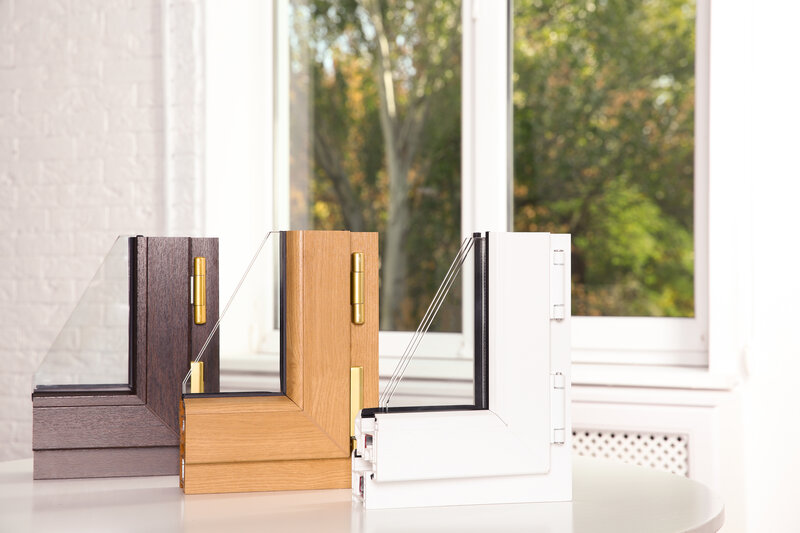
Material Science: Why Fiberglass Wins
Fiberglass resists expansion and contraction during temperature shifts, even under extreme conditions. With such high stability, fiberglass can maintain a tighter seal over time, reducing the risk of warping or frame movement.
Fiberglass is also more resistant to UV exposure, allowing it to retain its structure and appearance longer without breaking down in direct sunlight.
Real-World Performance Data
In real-world conditions, fiberglass windows tend to maintain their performance longer, requiring fewer replacements. You can usually see that difference reflected in the warranty as well, with fiberglass products typically offering longer coverage while vinyl varies by quality.
While window replacement costs can vary by material and installation, a vinyl window that lasts 20 years, compared to a fiberglass window that lasts twice as long, often ends up costing more over time. This is especially true when comparing long-term performance among the best replacement window brands.
Warning Signs Your Vinyl Windows Need Replacement
As vinyl windows age, both their visible condition and day-to-day performance begin to change. Knowing what to look for can help you decide whether you are dealing with minor wear or replacement-worthy damage.
Visual Deterioration Signals
- Frame cracking, brittleness, or slight warping can point to material breakdown, especially after years of sun exposure. Even small shifts can affect your window’s seal.
- Fogging or moisture trapped between panes is often tied to a failed insulating seal. The International Association of Certified Home Inspectors identifies seal failure as one of the most reliable signs a window is no longer performing as it should.
Performance Red Flags
- Windows that become harder to open or close can signal subtle frame movement or hardware damage. Over time, that added friction makes windows harder to use.
- If certain rooms feel colder in winter or warmer in summer, or your energy bills have started to creep up, your windows may not be sealing as well as they once did, especially when you compare single-pane vs. double-pane windows’ performance. Guidance from Energy Star notes that even small gaps or seal failures can lead to noticeable efficiency loss.
Smart Alternatives to Vinyl Window Replacement
Many homeowners start looking for longer-term options once they understand how vinyl’s lifespan and performance compare with other window materials.
Fiberglass: The Long-Term Solution
Fiberglass is often considered a step up in durability and long-term stability.
- With a typical lifespan of 40 years or more, fiberglass holds its shape better under temperature fluctuations and resists the gradual wear that affects vinyl. Their stability helps maintain a tighter seal, which supports both comfort and energy efficiency over time.
- Fiberglass aligns more closely with the longevity expectations outlined by organizations like the National Association of Home Builders, which consistently ranks it among longer-lasting construction materials.
Making the Repair vs Replace Decision
In some cases, minor problems can be resolved with adjustments or targeted repairs. The key is knowing when issues are beyond repair.
Replacement tends to make more sense when you experience:
- Repeated Seal Failure: Ongoing fogging or moisture between panes
- Frame Warping: Windows no longer opening, closing, or sealing properly
- Energy Loss: Noticeable drafts or rising utility costs
- Age Of The Window: Approaching or past the expected lifespan
Tip: A professional assessment can help you understand the window replacement process and what comes next.
If you are starting to wonder how long do vinyl windows last, it’s time for answers. At NEXT Door & Window, our window replacement experts take a close look at how your windows are performing today—not just how they look at a glance.
Get in touch with one of our Design & Energy Experts by calling us today or scheduling your appointment online.
Frequently Asked Questions
Do cheap vinyl windows really only last 10 to 15 years?
They can, especially if they were built with thinner materials or installed quickly during construction. Some hold up longer, but it’s pretty common for lower-end windows to start showing wear around 10 years, particularly in the Midwest.
How can I tell if my vinyl windows are high-quality?
You usually notice it in how they feel and perform over time. Smoother operation, a sturdier frame, and fewer drafts or sealing issues tend to indicate a higher-quality build. Longer warranties can also be a good sign that the window was designed to last.
Are fiberglass windows worth the extra cost over vinyl?
For homeowners thinking long-term, fiberglass windows are worth it. The upfront cost is higher, but the added durability makes up for the difference over time.
What shortens the lifespan of vinyl windows the most?
Installation quality plays a significant role in your vinyl window’s lifespan, but so do temperature swings, sun exposure, and overall build quality. When these factors stack up, windows tend to wear out faster than expected.
Should I replace my 15-year-old vinyl windows?
It depends. If you are experiencing drafts, difficulty operating the window, or failing seals, schedule an assessment to determine whether repair or replacement makes more sense.
