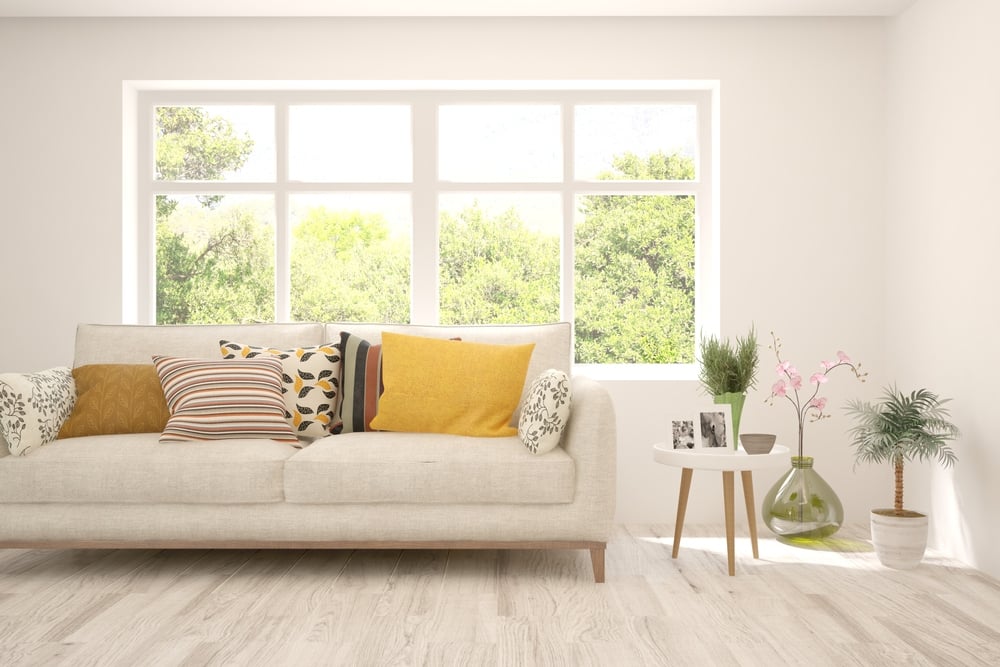
Improving your home’s airflow is one of the easiest ways to create a fresher, cleaner, and more comfortable living space. Proper window ventilation improves indoor air quality, boosts overall comfort, and can even help reduce utility costs.
Choosing the right window design is key to maximizing these benefits. In this guide, we’ll explore why ventilation matters and the best window styles to help you make an informed decision for your home’s comfort and energy savings.
Table of Contents
Why Window Ventilation Matters in Your Home
Window ventilation uses natural forces, such as wind and temperature differences, to circulate air without relying solely on your HVAC system. It is a cost-effective way to create cleaner indoor air, healthier living spaces, and a more energy-efficient home.
The right window setup can help:
- Remove indoor pollutants, allergens, and excess moisture
- Reduce odors from cooking, pets, and everyday activities
- Balance indoor temperatures on mild days
- Decrease reliance on your HVAC system
- Lower indoor humidity to help prevent mold growth
Top Window Styles for Maximum Ventilation
The best window style for ventilation depends on how it opens, the sash’s angle and movement, and how much of the window can be opened at once. These factors determine how effectively fresh air can flow in and stale air can exit.
Below are the top window styles for maximum ventilation:
Casement Windows
Casement windows are hinged on the side and open outward like a door. This design allows the sash to catch exterior breezes and funnel fresh air into your home. They’re ideal for both traditional and modern homes, offering aesthetic and functional benefits.
Ventilation benefits:
- Open a full 90 degrees for maximum breeze
- “Scoop” air from multiple directions thanks to the angled sash
- Create excellent cross-ventilation when paired with another window
- Seal tightly when closed, helping prevent drafts
Best For:
Bedrooms, home offices, or other areas that require a high level of airflow.
Awning Windows
Awning windows are hinged at the top and open outward from the bottom. Because they open upward, they are one of the best ventilation window designs for rain. They offer a contemporary design and enhanced airflow for kitchens and bathrooms.
Ventilation benefits:
- Pull in fresh air while deflecting rain
- Great for high-placement installations
- Promote ventilation without losing privacy
- Useful for smaller rooms where full-size windows aren’t practical
Best For:
Bathrooms, kitchens, basements.
Double-Hung Windows
Double-hung windows are a classic design for room ventilation. They have two sliding sashes that open at the top and bottom for optimal airflow. It blends with both traditional and modern home styles.
Ventilation benefits:
- Natural airflow balance: warm air out, cool air in
- Flexible ventilation: open one sash or both
- Safe for upper-level rooms
- Work well with window AC units if needed
Best For:
Bedrooms, hallways, and upper floors.
Sliding (Glider) Windows
Sliding windows open horizontally along a track and are often chosen for their easy operation and maintenance. Because they don’t open outward, they’re perfect in tight exterior spaces. They offer a minimalist design for many home types.
Ventilation benefits:
- Wide openings for steady airflow
- Smooth operation—easy for quick ventilation
- Ideal for modern or minimalist designs
- Great option along walkways or patios where swinging sashes aren’t practical
Best For:
Walkways, balconies, or other tight spaces.
Bay and Bow Windows
Bay and bow windows provide expansive, panoramic views while enhancing airflow through their operable side panels. Because they consist of multiple window sections, they can be configured to improve cross-ventilation and direct fresh air into the space.
Ventilation benefits:
- Feature multiple operable panels for improved airflow
- Capture breezes from different angles
- Allow ventilation across a wider portion of the wall
- Increase natural light and add visual appeal
Best for:
Living rooms, dining areas, front-facing rooms, and any space where you want both strong ventilation and an elevated design.

Other Key Factors That Affect Ventilation
To get the most from your window ventilation, it’s important to understand the factors that influence how air moves through your home. Placement, orientation, design, and indoor climate conditions all affect ventilation:
- Window Placement – Where a window sits on the wall affects airflow direction and strength. Even the best window won’t perform well if it’s blocked or located in a stagnant air zone.
- Position windows across from each other to encourage cross-ventilation
- Place windows higher on walls in rooms with tall ceilings
- Avoid blocking exterior airflow with trees, sheds, or nearby walls
- Use multiple operable windows in open-concept spaces
- Window Orientation – The direction your windows face determines the type and consistency of airflow they receive.
- South- and west-facing windows often catch stronger breezes and more sunlight
- North-facing windows provide softer, steadier airflow
- East-facing windows are ideal for morning ventilation
- High-wind areas benefit from casement or awning window styles
- Climate Considerations – Your local climate affects how efficiently window ventilation works.
- In humid climates, ventilation reduces moisture buildup and helps prevent mold
- In dry climates, wide-opening windows bring in fresh air without excessive dust circulation
- In colder regions, tightly sealing windows that open during mild weather provides the best ventilation benefits.
Some window ventilation designs include built-in trickle vents that support consistent airflow. These small openings allow a controlled amount of fresh air to enter, helping maintain indoor air quality even when windows are closed.
Matching Window Style To Room Use
Each room in your home has different airflow needs, and the right window style should support how that space is used. Some spaces receive more sun, such as front-facing areas and living rooms, while others prioritize privacy, such as bedrooms and bathrooms.
Here are the best window types for ventilation in each room of your home:
| Room | Best Window Types | Why They Work |
|---|---|---|
| Bedrooms | Casement, Double-Hung | Strong breezes, nighttime ventilation, flexible airflow control |
| Kitchens | Awning, Sliding, Casement | Removes heat/odors fast, easy operation above counters |
| Bathrooms | High-Placed Awning, Small Casement | Privacy + steady airflow, reduces humidity |
| Living & Family Rooms | Sliding, Bay/Bow, Casement | Wide openings, multi-angle airflow for large spaces |
| Basements | Awning, Small Sliding | Fits low wall openings, improves basement air circulation |

Tips for Choosing Ventilation-Friendly Windows
Below are some key tips for choosing ventilation-friendly windows that fit your airflow, design, and comfort needs:
- Does the window open wide enough?
Narrow openings restrict airflow, so choose designs that swing or slide open broadly. - Can it capture breezes from multiple directions?
Casement and bay/bow windows perform best for directional airflow. - Is it safe to leave partially open?
Awning and double-hung windows often allow secure ventilation at night or when you’re away. - Does it suit the room layout?
Large spaces benefit from sliding or bay/bow configurations, while tight areas work better with awning styles. - Will it help control humidity?
Bathrooms and kitchens need window styles that quickly and efficiently release moisture. - Does it seal tightly when closed?
A strong seal preserves energy efficiency when temperatures change.
If you’re unsure which window style is right for your home, our experts can walk you through our window designs to find the perfect fit.
Consult with a Design & Energy Expert for Window Ventilation
Fresh air shouldn’t be a luxury. At NEXT Door & Window, we help homeowners across the area improve comfort, airflow, and long-term energy savings with premium ventilation window replacement.
Whether you’re updating your home’s aesthetic, enhancing privacy, or replacing outdated frames, our team provides industry-leading quality and performance, all tailored to your home’s needs. Our specialists can guide you in comparing styles, understanding airflow benefits, and planning updates that boost comfort year-round.
For personal guidance, request a quote today.
Need Assistance? Our Team Of Technicians Offers Fast & Reliable Window Replacement Services in Janesville, Elmhurst, Evanston, Middleton, Schaumburg, & Other Locations
Increase Comfort and Energy-Efficiency With Ventilation Windows
Window ventilation plays a key role in how your home feels, functions, and breathes. From the strong, directional airflow of casement windows to the moisture-fighting convenience of awning windows, each style offers unique benefits that can refresh your home and improve comfort.
Before choosing, consider your room layout, airflow goals, and the direction your windows face. Selecting the right window styles can significantly enhance indoor air quality and energy efficiency.
If you’re ready for cleaner air and a more comfortable home, NEXT Door & Window can help you compare styles, choose the right materials, and plan a window replacement that improves both airflow and curb appeal. Ready to talk windows?
Comments are closed.