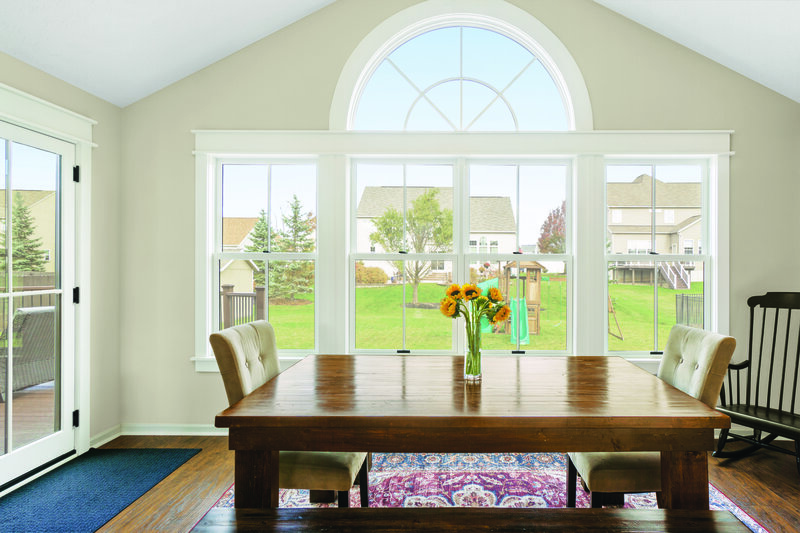
When you turn up the thermostat on a cold winter morning, do certain spots never warm up? Does the heat run longer than it should? In many homes, that frustration comes down to one thing: heat loss through the windows.
The U.S. Department of Energy estimates that inefficient windows can account for roughly 25 to 30 percent of a home’s heating and cooling energy use. In other words, a big chunk of your energy bill is slipping through cracks in your windows.
If your house never quite feels comfortable in the winter, your windows are a good place to start looking. In this guide, we will discuss why windows lose heat, the cost of that loss, and how to reduce heat loss through windows.
Table of Contents
Why Some Windows Leak Heat
Your windows bring in natural light and fresh views. Unfortunately, they’re also one of the most common weak points in a home’s insulation.
Heat loss through windows usually shows up in a few ways:
- Conduction: Glass is not a strong insulator, especially in older windows. When warm indoor air heats the glass, that warmth transfers straight through to the colder air outside. This is why single-pane windows often feel cold to the touch in winter.
- Air Leakage: As windows age, frames can shift, and seals wear down. Small gaps form, and even those tiny openings let cold air in and warm air out. This is what creates the draft you notice when walking past a window on a cold day.
- Convection: Cold air that slips in around a window moves through the room, creating uneven temperatures and colder areas near the window—often when the thermostat says otherwise.
If you notice condensation on the glass, persistent drafts, or inconsistent heat from room-to-room, your windows are likely to blame.
How Much Heat Are You Really Losing From Your Windows?
If you’re losing heat through windows, the exact amount depends on the age, condition, and type of window. But the impact adds up faster than most people expect.
If your heating bill averages around $200 a month, losing even a quarter of that energy through inefficient windows could cost you $50 or more each month.
Older or poorly sealed windows allow heated air to escape quickly, which forces your heating system to work harder just to maintain the same temperature. Over time, that extra run time shows up on your energy bills.
Your home comfort is affected, too. Drafts make rooms feel uneven, and many homeowners respond by turning the thermostat higher than they otherwise would. That only increases your energy use and makes other rooms feel uncomfortably warm.
Average Heat Loss for Different Types of Windows
The type of window installed plays a major role in insulation performance. Choosing the right option usually comes down to climate, budget, and how much heat your current windows are letting escape.
Here’s a breakdown:
Single-Pane Windows
Common in older homes, single-pane windows offer very little insulation. Heat passes through easily, which often leads to noticeable drafts and colder rooms during winter.
Double-Pane Windows
Double-pane windows feature two panes of glass with a sealed air or gas-filled space in between. That extra layer slows heat transfer and helps rooms hold consistent temperatures, which is why many homeowners compare them when weighing single-pane vs double-pane performance.
Triple-Pane Windows
Triple-pane windows add a third layer of glass for added insulation. They are most often considered in colder climates or when maximum efficiency is the goal, making side-by-side comparisons with double-pane options a helpful way to decide whether the upgrade makes sense.
3 Ways to Check Your Windows for Heat Loss
You don’t need specialized tools to spot common window problems. A few simple checks can detect heat loss through windows.
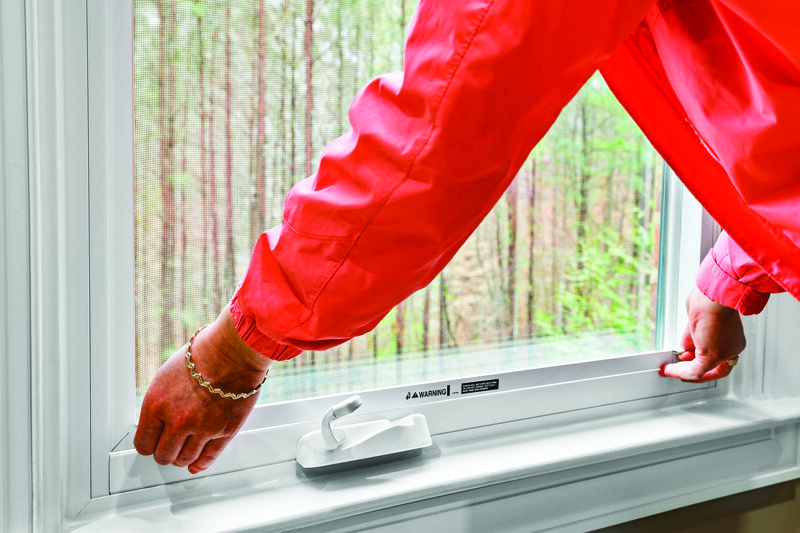
- Hand Test – On a cold day, slowly move your hand around the edges of the window frame and across the glass. If you feel cold air or sudden temperature changes, air leakage is likely present.
- Candle Test – Hold a lit candle or incense stick near the window edges. If the candle flame flickers or incense smoke moves sideways, air is passing through gaps in the frame or seals.
- Visual Inspection – Look closely at the window frame for cracked caulking, peeling weatherstripping, or signs of decaying wood. These issues often allow air and moisture to enter, increasing heat loss and long-term wear.
These simple checks can help you identify problem areas and decide whether minor improvements may help or if larger upgrades should be considered.
Practical Ways to Reduce Heat Loss
If your windows are losing heat, there are a few practical steps you can take to limit energy loss. These options vary in effectiveness and longevity, but even small improvements can make a difference during colder months.
Caulking and Weatherstripping
Sealing gaps around the window frame is often the best place to start. Fresh caulk and new weatherstripping help block drafts and keep warm air inside. This works best when the window frame is still in good condition, and the glass itself is intact.
Window Film Kits
Window film kits add a thin insulating layer over the glass. They can help reduce heat transfer and make rooms feel less cold, especially in areas that consistently feel drafty. These are typically used as seasonal solutions rather than permanent fixes.
Insulated Curtains or Shades
Insulated curtains and cellular shades help trap warm air inside when closed. They are especially helpful at night and in rooms with large windows, though they require consistent use to be effective.
Draft Stoppers and Temporary Insulation
Draft stoppers along window sills and temporary solutions like bubble wrap can reduce airflow in the short term. These are best used as stopgap measures rather than long-term solutions.
When to Consider Window Replacement
Temporary fixes can help, but they aren’t always enough. In some cases, ongoing heat loss indicates a window has reached the end of its life.
You may want to start thinking about a window replacement if you notice rotting frames, persistent air leaks that sealing does not fix, or condensation forming between panes of glass. These issues often indicate that the window’s insulating seal has failed beyond repair.
The good news? Modern, energy-efficient windows are designed to reduce drafts, stabilize indoor temperatures, and improve overall energy performance.
How Much New Windows Can Save on Energy
Many homeowners notice a meaningful improvement in performance after upgrading their windows, but energy savings depend on your home, climate, and the type of window installed. Reduced drafts and improved insulation allow heating systems to run more efficiently, often leading to lower monthly energy bills.
Beyond savings, new windows can change how a home feels day to day. Rooms heat more evenly, cold spots are reduced, and temperatures are more controllable from room to room.
Frequently Asked Questions
Can window film really help reduce heat loss?
It can, especially as a short-term fix. Window film adds an extra layer over the glass, helping slow heat loss and working best when the window frame itself is well sealed. It is usually a seasonal solution—not a permanent one.
Do blinds and curtains make a real difference?
They can help more than people expect, particularly at night. Insulated curtains and shades reduce drafts and help keep warm air from escaping, making a room feel more comfortable. They help manage heat loss, but they do not solve underlying window issues.
Are drafty windows dangerous or just inefficient?
Most of the time, drafty windows are more inefficient than dangerous. That said, ongoing drafts can lead to moisture buildup, uneven temperatures, and higher energy use, all of which can cause bigger problems if left alone for too long.
Should I replace all windows at once or prioritize certain ones?
You do not have to do everything at once. Many homeowners start with the windows that cause the most discomfort, such as those in frequently used rooms or spots where drafts are obvious. Taking this phased approach can improve comfort while keeping the project manageable.
Put An End To Heat Loss Through Windows
Ongoing drafts, uneven room temperatures, and heating systems that seem to work overtime are problems the NEXT Door & Window team sees every day. Our Design & Energy Experts work with homeowners who want clear answers about where heat loss is happening and what can realistically be done to improve comfort and efficiency.
Our role is to help make sense of the heat loss through your windows. Sometimes that means pointing out small changes, and other times it means looking closer at overall window performance. At NEXT Door & Window, we provide the window guidance you need to make a decision that fits your space and your goals.
Comments are closed.