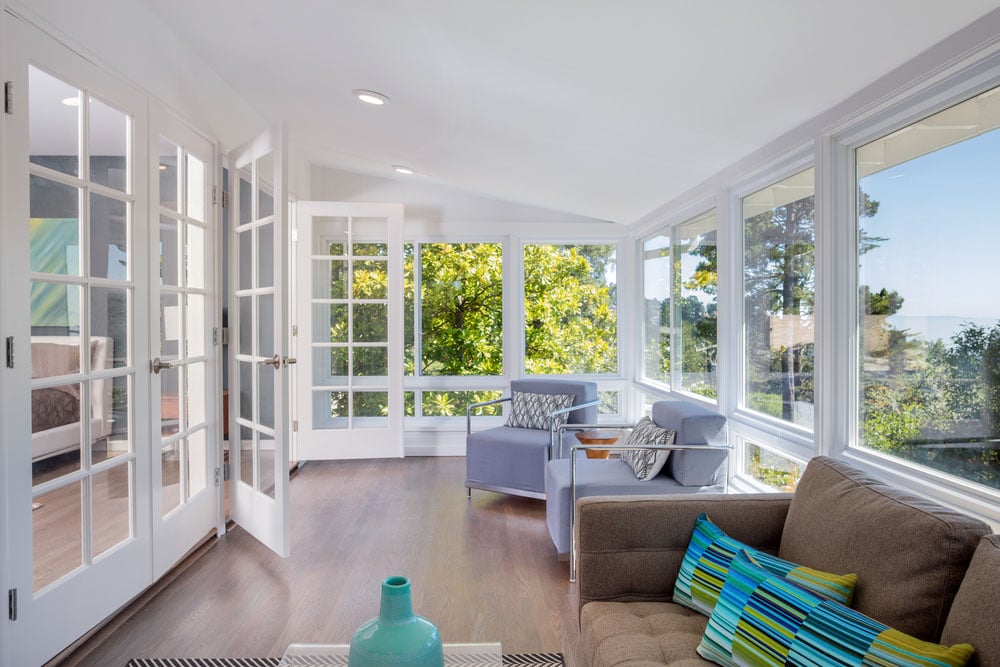
Few things provide the cozy feeling of a sunroom on a sunny day. Whether you’re chatting, napping, or reading, the natural light and comfortable temperature make it a favorite spot in the house. To maintain that inviting atmosphere throughout the seasons, it’s essential to choose the right sunroom windows, as they greatly influence the space’s light and comfort.
Whether you’re imagining morning coffee, a quiet reading nook, or a bright space for plants, your window choices play a big part in how the room feels day to day. Continue reading to learn how you can create a sunroom that fits your home and routine.
Table of Contents
What Makes Sunroom Windows Different from Regular Windows
Sunrooms use a lot of glass, so they experience stronger sunlight, bigger temperature swings, and more exposure to outdoor conditions. Because of this, not every standard window is designed to perform well in a space like this.
The way you plan to use the room also matters. A three-season sunroom works well during mild weather, while a four-season sunroom needs insulated frames and higher-performance glass to stay comfortable in both winter cold and summer heat. Thinking about how often you’ll be in the space helps you choose windows that match the comfort level you want throughout the year.
Key Factors to Consider When Choosing Sunroom Windows
Light & View
Natural light is usually the biggest draw of a sunroom. Picture windows are a popular choice because they bring in bright, uninterrupted sunlight and make the room feel connected to the outdoors. They also pair well with operable windows when you want both light and airflow.
Some homeowners mix fixed windows with smaller operable ones to keep views open while adding ventilation where it’s most useful. Many Chicago and Madison sunrooms face gardens, backyards, or tree lines, so choosing styles that complement those views can make the room feel even more inviting.
Ventilation and Fresh Air
Operable window styles such as casement and awning windows make it easier to let fresh air in throughout the day. Casement windows swing open to capture breezes, while awning windows can vent the room even when the weather is damp or drizzly.
Fixed windows are great for light and views, but won’t add ventilation on their own. Combining fixed and operable windows throughout the sunroom helps maintain a comfortable environment, especially during transitional seasons. If you know which direction the breeze usually comes from around your home, placing operable windows in those areas can make the space feel naturally balanced.
Energy Efficiency & Comfort
The Midwest climate plays a big role in how a sunroom feels throughout the year. Low-E coatings help manage heat by reflecting summer warmth and holding onto winter comfort, while double or triple-pane glass reduces drafts and noise.
If you’re planning a four-season sunroom, insulated frames and higher-performance glass are worth considering. They help the room stay comfortable during temperature swings and make the space easier to use no matter the season.
Read More: What are Energy-Efficient Windows?
Material & Style Options
Window frames also contribute to a sunroom’s comfort. Fiberglass is a common favorite because it handles temperature changes well and requires little upkeep. Vinyl offers strong insulation and easy maintenance, making it a practical fit for many homes.
Wood has a classic look and a warm feel, though it may need more attention to keep its finish in good shape. Aluminum provides a modern profile and sleek lines, though it usually performs best when paired with thermal breaks that reduce heat transfer.
Your choice comes down to how you want the room to look, the amount of maintenance you’re comfortable with, and how much insulation the space will need throughout the year.
Popular Window Styles for Sunrooms
Understanding different window styles makes it easier to picture how your sunroom might look and function. Each option contributes something unique to the room’s overall feel.
Picture Windows
Picture windows offer wide, unobstructed views and bring in bright, consistent natural light, making them a common anchor in sunroom designs. They create a clean, open feel that highlights outdoor scenery.

Pros:
- Maximum sunlight
- Clear outdoor views
- Low maintenance
Cons:
- No ventilation
- May increase heat gain without proper glass selection
Casement Windows
Casement windows open outward to catch breezes and invite fresh air into the sunroom. Their tight seal also helps support consistent comfort.

Pros:
- Excellent ventilation
- Strong energy performance when closed
- Easy to operate
Cons:
- Requires exterior clearance to open
- Hardware may need periodic adjustment
Bay Windows
If you are looking for ways to increase the size of your sunroom, bay windows can be utilized to create extra dining or seating areas. These windows offer large views of the surrounding trees and nature in your backyard. In addition, investing in bay windows is an easy way to add character to your sunroom.

Pros:
- Larger views
- More natural light
- Space-saving design
Cons:
- More difficult to clean
- Complex Installation
Awning Windows
Awning windows hinge at the top and open outward from the bottom, allowing airflow even during light rain. Their compact size makes them ideal for pairing with larger fixed windows.

Pros:
- Ventilation during rain
- Versatile placement
- Helps release warm air near ceilings
Cons:
- Limited view compared to larger styles
- Needs space outside to open
Double-Hung Windows
Double-hung windows feature two movable sashes for flexible ventilation and easy cleaning, especially useful in sunrooms with taller walls. Their familiar design fits naturally with a wide variety of architectural styles.

Pros:
- Flexible airflow options
- Easy to clean
- Classic look
Cons:
- Slightly less airtight than casement windows
- It can be harder to operate over time if not maintained consistently
Sliding Windows
Sliding windows move horizontally along a track, offering simple operation and a modern look that fits well in wide wall openings. They allow steady airflow without taking up interior or exterior space.
Pros
- Easy to use
- Great for wide openings
- Space-saving design
Cons
- Limited ventilation compared to casement
- Tracks require occasional cleaning
These styles can be mixed and matched to create a layout that feels open, balanced, and suited to how you plan to use the room.
Best Glass Options for Sunroom Windows
Double-Pane vs. Single-Pane Glass
Double-pane windows are constructed with 2 panes of glass that are designed to prevent heat loss in your sunroom. Krypton and argon gas are utilized between the glass panes to enhance the insulation and efficiency of your house. Double-pane windows in the long run will save you more money when compared to single-pane windows. Do not purchase single-pane windows for your sunroom. These types of windows are not equipped with ultraviolet protection or insulation.
Read More: Double-Pane vs. Single-Pane Windows
Low-E Coatings
An important way to maintain a livable temperature in your sunroom is to purchase windows with a Low-E coating. This type of coating is engineered to allow natural light into the living space while reflecting excess heat energy. Purchasing replacement windows with a Low-E coating will keep the temperature in your sunroom safe during the winter and summer seasons.
How to Design the Perfect Sunroom Window Layout
A thoughtful layout makes a big difference in how comfortable and bright the space feels. These steps can help guide your planning process:
- Note which direction the sunroom faces to understand how sunlight will move through the room.
- Decide whether the space will be used during three seasons or all year long.
- Pick out larger picture windows to anchor the design while also highlighting outdoor views.
- Add operable windows in areas where airflow will matter most.
- Select frame materials and colors that match or complement your home.
- Review glass and insulation options that support year-round comfort.
- Look at how other sunrooms blend large picture windows with smaller operable ones, noting window height and spacing to guide a balanced layout.
- Make adjustments as needed so the final design supports both natural light and everyday comfort.
Maintenance & Longevity Tips
Maintaining sunroom windows mostly comes down to simple routines that keep everything looking clear and working the way it should. A quick wipe with a soft cloth and a mild cleaner goes a long way toward preventing pollen and dust from dulling the glass, especially during the busier spring and summer months.
It’s helpful to check the window seals each season, especially in rooms that get strong sun or big temperature swings. Early signs like fogging between panes or moisture along the edges can reveal when a seal needs attention.
Condensation is another thing to watch during colder months. Wiping it away when it forms helps protect the frames and prevents musty odors or mold. Opening operable windows on mild days also improves airflow and keeps humidity in check, which makes a noticeable difference in both three-season and four-season sunrooms.
Finally, take a moment once or twice a year to look over hardware and tracks, as it helps ensure everything opens, closes, and locks smoothly. These small habits keep your sunroom windows clear, dependable, and comfortable to use throughout the year.

Why Choose a Professional Installer for Your Sunroom Windows
Choosing windows for a sunroom often comes down to how well they handle the full range of Midwest weather. Homeowners in Chicago and Madison deal with long winters, warm summers, and shifting humidity, so having guidance from a professional team can make the process feel more straightforward.
Here are a few ways our installers at NEXT Door & Window helps homeowners navigate those decisions with confidence:
- Regional Expertise: NEXT Door & Window offers insight into which materials, glass packages, and design choices perform well in northern Illinois and southern Wisconsin.
- Experience Across Home Styles: The team has worked with a wide range of window styles and replacement projects throughout the region, giving them perspective on what fits different homes.
- Practical Guidance: Their recommendations help you compare frame materials, consider energy performance, and design a layout that feels comfortable throughout the year.
- Whole-Home Perspective: If your sunroom project is part of a larger home update, looking at how window replacement fits into the rest of your plans can help you create a more consistent look and improve comfort throughout the home.
- Visual Inspiration: Browsing an inspiration gallery is a helpful way to see how various window combinations look in finished sunrooms and gather ideas for your own space.
- Support When You Need It: If you want to talk through ideas or ask questions about what works well in the Midwest, our team is easy to reach and happy to help you.
Shining a Light on Your Sunroom Windows Choices
The windows you choose play a big part in how your sunroom supports the moments you enjoy most, whether that’s a quiet morning or a warm, bright place to gather. Understanding how styles, materials, and glass options affect light and comfort helps you design a room that works with your everyday routines.
A thoughtfully planned sunroom feels like an extension of the outdoors. a place where you can slow down, relax, and enjoy the changing seasons from a comfortable spot inside your home. Whether you’re updating an existing space or starting fresh, choosing windows that match your climate and layout helps the room feel good to use all year.
When you’re ready to explore what might work best for your own home, NEXT Door & Window can help you sort through the options and move your project forward.
Request a FREE QuoteFrequently Asked Questions
What type of windows are best for sunrooms?
It depends on how you plan to use the space. Picture windows are great for light and views, while casement and awning windows help with airflow. For year-round use in the Midwest, insulated glass and Low-E coatings usually offer the best comfort.
What size windows do you need for a sunroom?
Many sunrooms use larger windows to brighten the space and create an open feel, but there’s no required size. Your window sizes should match your layout, how much light you want, and the direction your sunroom faces.
How do you insulate sunroom windows?
Insulation mainly comes from choosing the right glass and frames. Low-E coatings, double or triple-pane glass, and well-sealed frames help keep temperatures more consistent. Proper installation also plays an important role in reducing drafts.
Comments are closed.