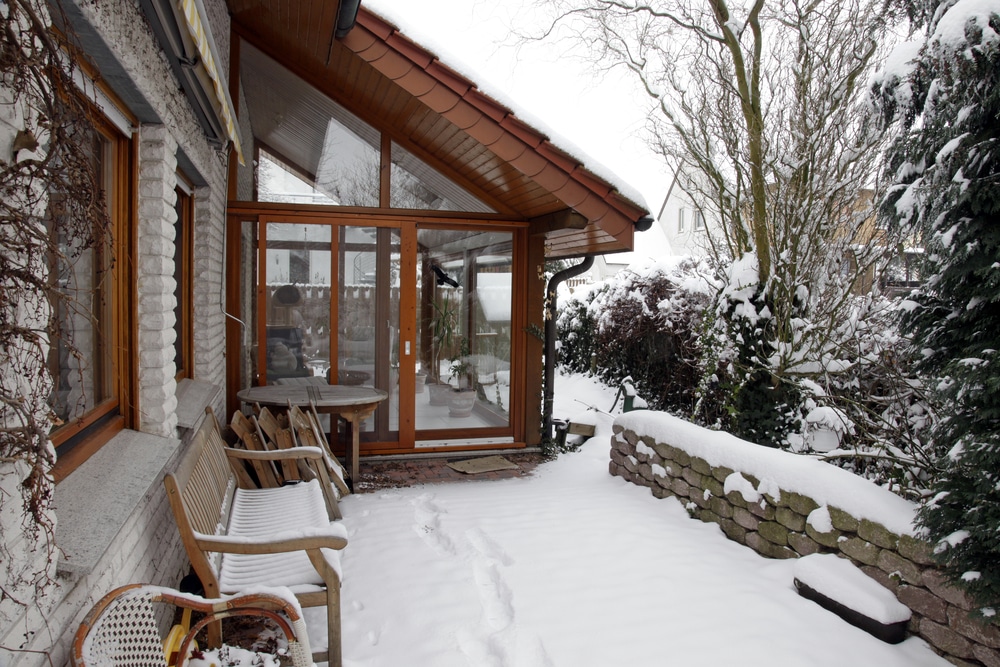
When winter winds blow in, even small gaps around your windows can make your home feel chilly fast. If you’re looking to winterize windows before the deep freeze, a few simple steps can help you retain more heat and block drafts. A little preparation now helps your home stay much more comfortable once winter settles in.
Table of Contents
Why Winterizing Your Windows Matters
Windows are often the first place cold air slips through. The U.S. Department of Energy estimates that 25 to 30 percent of a home’s heating energy can escape through inefficient windows. Chicago and Madison homeowners may notice this during long stretches of sub-zero weather.
Those drafts lead to uneven temperatures, higher bills, and even moisture issues when warm indoor air hits cold glass. Winterizing helps lower monthly heating costs, improve comfort, and prevent those stubborn cold spots.
In older brick homes, bungalows, and multi-unit buildings, small improvements like sealing and insulating make a big difference in day-to-day comfort. Some homeowners explore upgrades through trusted local experts like NEXT Door & Window, while others start with quick DIY fixes. Either approach helps your home retain heat better throughout the winter.
Step 1 – Inspect Your Windows Thoroughly
Before making any fixes, take a few minutes to see how your windows are performing right now. These simple checks and tests will help you spot exactly where drafts are and where you’re losing heat:
- Hand test: Move your hand around the frame and feel for cold air slipping through.
- Candle test: Hold a small flame near the trim. If it flickers, air is moving through a gap.
- Check the locks: Loose or worn locks keep the sash from sealing tightly.
- Look for daylight: Tiny slivers of light in the corners usually mean air can get through.
Older homes in Chicago and Madison often have wood frames that expand and contract with the seasons, so that small changes can create noticeable gaps. Finding these early helps you decide which fixes will work best.
Step 2 – Basic DIY Measures to Seal and Insulate
Once you know where the drafts are coming from, you can start tightening up those problem areas with a few simple fixes. These DIY options work exceptionally well in older Chicago and Madison homes, where shifting frames and aging materials tend to create small gaps over time.

Weather-stripping
Weather-stripping seals the moving parts of a window. Foam tape works for small gaps, V-strip handles regular use, and felt is a budget-friendly option that pairs well with older wood windows.
Best spots to use it:
- Along the bottom sash
- At the meeting rails
- Around older wood windows with slight warping
Weather-stripping is also a good temporary fix for renters or anyone who wants better insulation without making permanent changes.

Caulking
Caulking is one of the fastest ways to stop air leaks around the frame. Check the trim, sill, and exterior joints for dried or cracked caulk. For indoor sealing, latex or silicone caulks are easy to apply and clean. For outdoor repairs, choose a weather-resistant caulk that can handle winter conditions.
What you’ll need:
- Caulk and a caulking gun
- Utility knife
- A damp cloth for smoothing
Apply caulk in a steady bead and press it into the gap to fully seal the space. Many homeowners repeat this step every few years because seasonal changes can cause older materials to shift.
Insulation Film
Clear insulation film is another popular option because it creates an additional barrier between the cold glass and the warm indoor air. The film attaches with double-sided tape and tightens when heated with a hairdryer, creating a smooth layer that reduces drafts. It’s budget-friendly, easy to remove in spring, and barely noticeable once installed.
Thermal Curtains and Draft Stoppers
Heavy curtains, thermal panels, or draft snakes can help block cold air before it moves into the room. While they won’t completely seal gaps, they add an extra layer of protection, especially on windy days. These solutions work well in rooms that feel consistently cold or in older homes where the windows face the wind.
Step 3 – Upgrades and Professional Solutions for Long-Term Efficiency
If drafts keep returning after DIY fixes, your windows may need more than seasonal touch-ups. Modern fiberglass and ENERGY STAR-certified windows are built for harsh Midwest winters and hold their seal even during big temperature swings. They help reduce heat loss through the glass and keep rooms warmer and more consistent.
When older windows start to warp or show signs of wear, many homeowners explore window replacement as a longer-term solution. A professional installer can also spot hidden issues, such as framing gaps or outdated single-pane units that no amount of caulking can fully fix. Upgrading gives your home a more reliable performance through winter and reduces the need to repeat temporary fixes every year.
Winterizing Windows: Local Considerations for Chicago and Madison
Winter hits a little differently in Chicago and Madison. One week feels manageable, and the next you’re dealing with icy winds or lake-effect snow that presses right up against your windows. Older homes experience this even more, especially those with wood frames that naturally shift through the seasons and leave behind small gaps that weren’t there in the fall.
Some neighborhoods face the wind head-on, while others pick up cold pockets or uneven temperatures from room to room. Multi-unit buildings can even have big differences between floors once the deep freeze settles in.
That’s why winterizing your windows makes such a noticeable difference here. A bit of sealing, insulating, or upgrading helps keep the cold outside and makes your home feel far more comfortable during those long stretches of Midwest winter.

Maintenance Tips and a Simple Seasonal Checklist
A few regular habits can help your windows perform better throughout the winter. These steps keep drafts under control, reduce moisture issues, and extend the life of any sealing or insulation work you’ve already done.
Here is a list of a few quick tips to do and terms to use before, during, and after the winter season:
Before Winter
- Remove window screens to improve airflow and reduce condensation.
- Check caulking and weatherstripping for gaps or peeling.
- Clean window tracks so the sash closes tightly.
- Add insulation film or thermal curtains in colder rooms.
During Winter
- Watch for moisture or fogging between panes, which can signal a seal failure.
- Keep blinds or curtains open on sunny days to let in natural warmth.
- Close coverings at night to hold onto heat.
- Check for new drafts after severe cold snaps.
After Winter
- Remove insulation film and clean any adhesive residue.
- Inspect wood frames for swelling or moisture-related paint damage.
- Reapply caulk where winter temperatures created new separation.
- Refresh weatherstripping ahead of spring to prepare for next year.
Get Your Home Ready for a More Comfortable Winter
When facing another Midwest winter, a little preparation goes a long way. Taking the time to winterize windows by sealing up gaps, adding insulation, or planning long-term upgrades gives your home the comfort boost it needs when the wind picks up. Even minor improvements can make the difference between a room that always feels chilly and one that stays warm even during the coldest days.
If you enjoy browsing ideas to see what might fit your home, the Inspiration gallery is an easy place to explore styles and finishes. And if drafts keep showing up no matter what you try, the team at NEXT Door & Window can help you figure out what’s going on and talk through solutions that fit your space and budget like a glove.
When you’re ready, a quick window assessment can give you a clearer picture of what your home needs to stay warm and comfortable through the long Midwest winter.
Contact Our Team TodayComments are closed.